
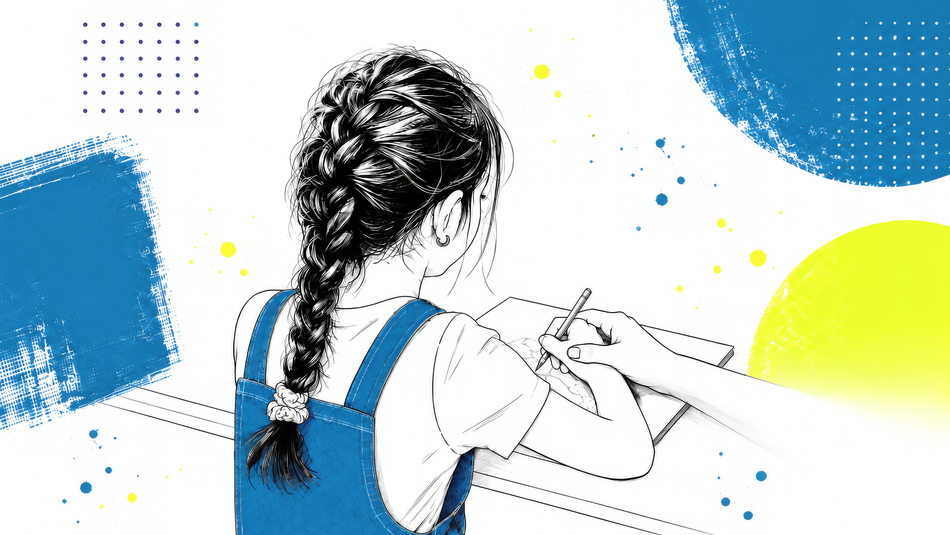
Here you will find images that can be used free-of-charge by editorial offices, media professionals and anyone interested in images that are far removed from the usual clichéd portrayals or false myths relating to sexual violence issues against children and adolescents. The pool of stock images illustrate the diversity of the issues, we do not claim that it is complete. We want to raise awareness and encourage people to choose appropriate and survivor-sensitive visual imagery when reporting on sexual abuse - and to counter stigmas and taboos. (Kopie 1)
Using stock images from the pool
With this free stock image pool, we would like to support the media and other actors / multipliers in their press and public relations work, especially those who want to report about child sexual abuse or use the images in their print / online publications.
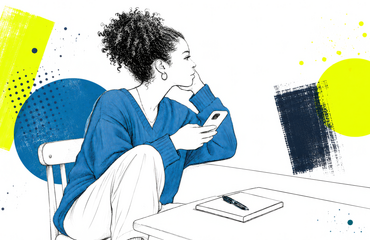
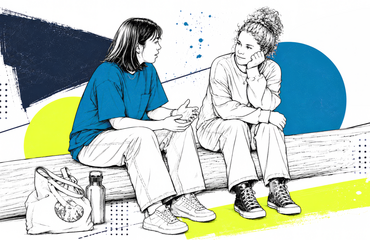
The images provided are collage-style drawings of people that were developed specifically for communications on the topic of child protection. The use of photographs of real people, as well as AI-generated photorealistic images of children and adolescents, has been deliberately avoided. This is intended, in particular, to prevent the risk that visual material might be altered, misused, or exploited for the creation of deepfakes using artificial intelligence.
In order to use the images, a prior request for permission to use them must be sent to the UBSKM press office at: presse@ubskm.bund.de. This request must state the intended duration of use, the medium that will be used or any other types of use and the usage context. The stock images are only to be used after we have granted permission to use them. The right of use will be granted solely for using the images in Germany (both analog and digital). The stock images in the gallery have a 2:3 format.
The images must not be alienated. The images must be accompanied by the following copyright notice: Image: ©AI-generated on behalf of UBSKM. The acquirer of the rights is not allowed to transfer them or grant further usage rights to third parties. They are not to be used for commercial purposes. A specimen copy will be requested as necessary.
Other images that sensitively depict the diversity of society can also be found in the stock images database at: www.gesellschaftsbilder.de.
Family context
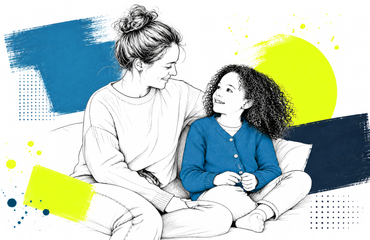
© KI-generiert im Auftrag von UBSKM
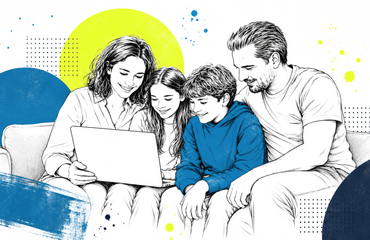
© KI-generiert im Auftrag von UBSKM
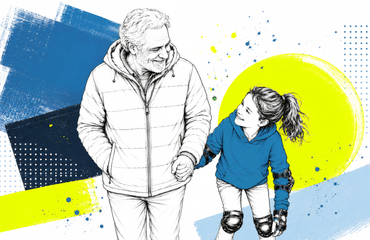
© KI-generiert im Auftrag von UBSKM
Institutional context
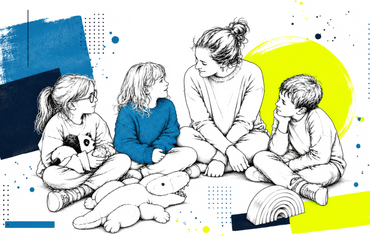
© KI-generiert im Auftrag von UBSKM
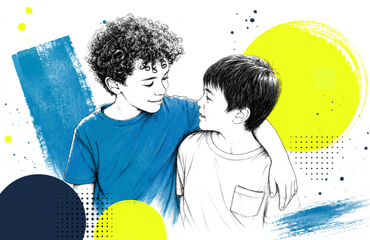
© KI-generiert im Auftrag von UBSKM
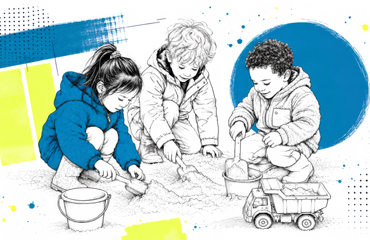
© KI-generiert im Auftrag von UBSKM
© KI-generiert im Auftrag von UBSKM
© KI-generiert im Auftrag von UBSKM
© KI-generiert im Auftrag von UBSKM
© KI-generiert im Auftrag von UBSKM
Children and adolescents without a specific context
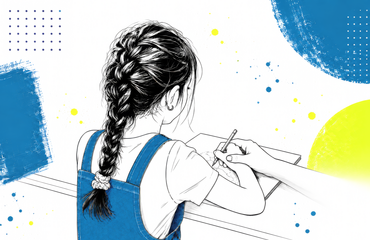
© KI-generiert im Auftrag von UBSKM
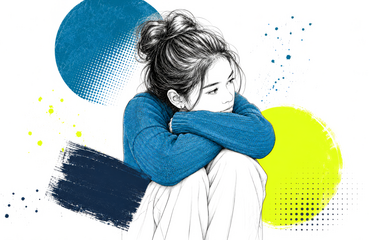
© KI-generiert im Auftrag von UBSKM
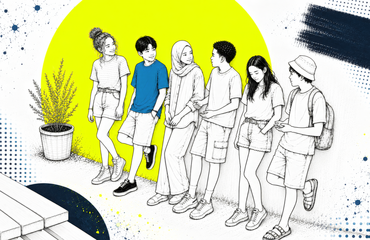
© KI-generiert im Auftrag von UBSKM
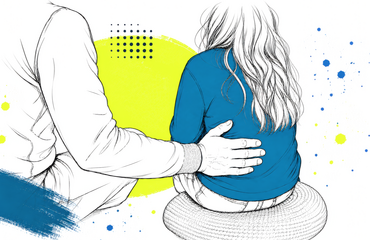
© KI-generiert im Auftrag von UBSKM
Help and support services

© KI-generiert im Auftrag von UBSKM
© KI-generiert im Auftrag von UBSKM
© KI-generiert im Auftrag von UBSKM
"Survivor-sensitive reporting is also reflected in the imagery. Images of teddy bears placed at the side of the road or on deserted swings in playgrounds have always been out of place, because abuse does not take place "somewhere" in strange places - but mostly in the everyday lives of children and it is usually inflicted by people who are especially close to them. Developing the images held in the stock images pool was a matter close to our hearts and we hope that they will be used widely".
THE SELECTING OF THE IMAGES
Child sexual abuse imagery still generates many false myths about the issue and they are often scandalous, shocking and terrifying. How the issue of sexual violence against children and adolescents is portrayed in the media will have a huge effect on society's view of the survivors and the perpetrators. Certain motifs can also trigger memories of traumatic experiences in the survivors or be stigmatising to them. Therefore it is the responsibility of media reporters and image agencies to use images that will create an emotional reaction without them being disturbing or serving stereotypes. And they show: abuse does not take place somewhere else, but here in our midst, regardless of age, gender or origin.
The stock images below were developed in close consultation with the Survivors’ Board. When depicting the children and adolescents, care was taken to ensure that they were fully clothed and not shown in poses or with facial expressions that could be interpreted as sexualised or stimulating. Care was also taken to ensure that the objects or symbols used in the background or surroundings could not be interpreted as sexualised or stimulating. We made a conscious decision to show the faces of children and adolescents from the front. On the one hand, we wanted to express the children's maturity. On the other hand, we wanted to depict everyday situations involving children and adolescents - we do not consider consistently not showing their faces or even distorting them or only showing them from behind to be effective with regard to the intended use, namely enabling the media to report about sexual violence against children and adolescents in a way that is survivor-sensitive but does not target them.
These Survivor advocates from the Survivors’ Board are available to answer questions from the media.
Survivors Board press contact: presse@betroffenenrat-ubskm.de
More information about the Survivors’ Board can be found here
The study undertaken by Döring & Walter compares iconographies of child sexual abuse, critically discusses the image types with regard to media quality criteria and media ethics and also makes improvement suggestions.